
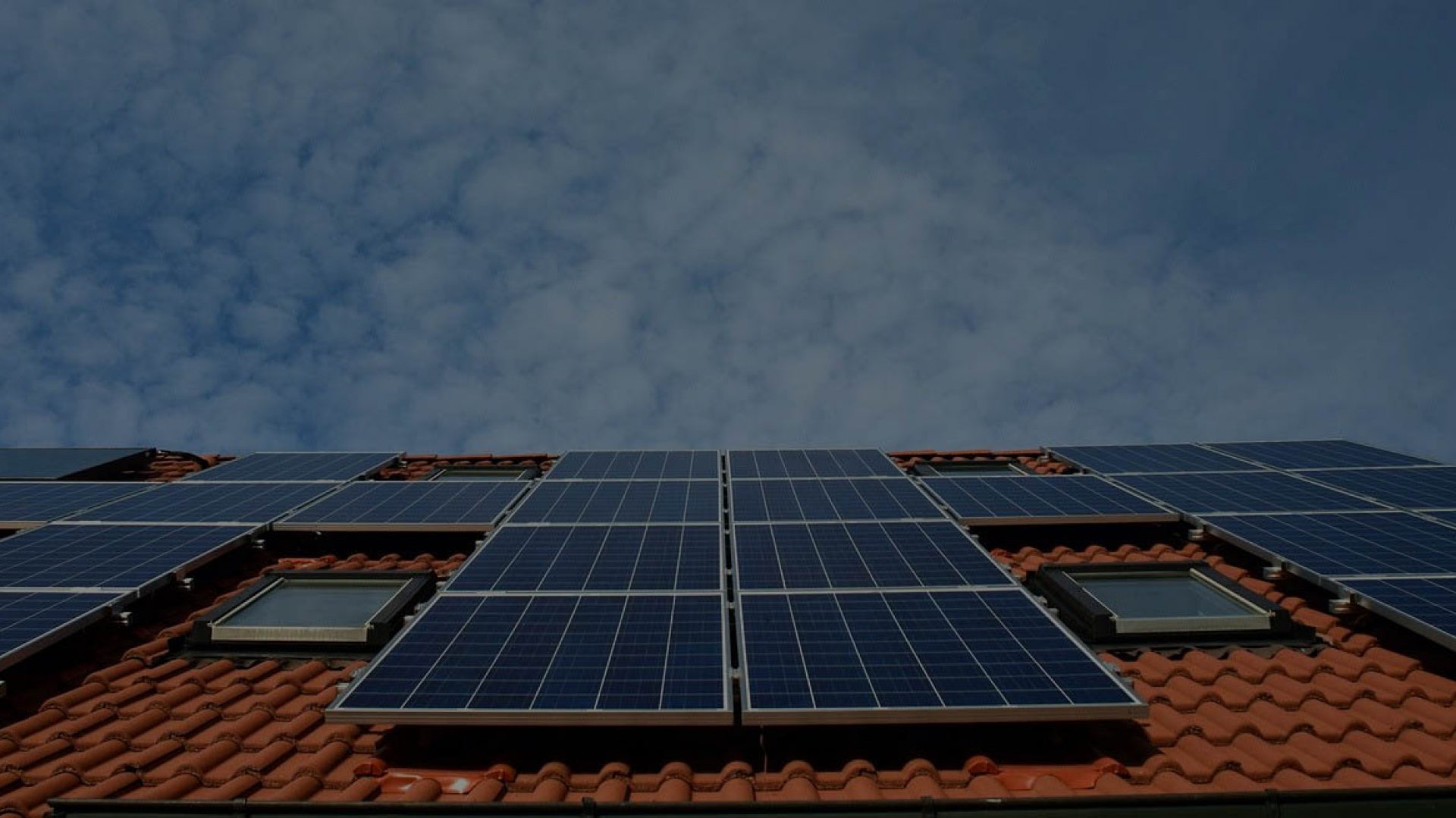
Live casino operations consume staggering amounts of electricity—streaming high-definition video feeds 24/7, powering multiple camera setups, maintaining climate-controlled studios, and running sophisticated gaming software simultaneously. As energy costs continue climbing, providers face mounting pressure on profit margins while seeking sustainable alternatives. Just as rico bet bônus offerings attract players, smart energy solutions attract investors and environmentally conscious partners who value operational responsibility.
Solar power presents a transformative opportunity specifically tailored to live casino operations. The round-the-clock nature of casino streaming means constant energy demand, making solar installations with battery storage particularly cost-effective. Unlike sporadic energy users, live casino providers can maximize their solar investment by consuming power continuously, accelerating return on investment timelines to as little as 3-5 years in optimal conditions.
Leading operators are already demonstrating remarkable results. One European live casino provider reduced operational energy costs by 62% within eighteen months of implementing rooftop solar arrays combined with grid supplementation. Their success story reveals practical pathways others can follow, from initial energy audits through financing options and installation strategies.
This comprehensive guide breaks down everything decision-makers need to evaluate solar power for their operations—realistic cost projections, technical requirements specific to streaming infrastructure, expert insights from industry leaders who’ve made the transition, and step-by-step implementation frameworks. Whether you’re running a single studio or managing multiple broadcasting facilities, understanding solar feasibility starts with knowing your unique energy profile and available solutions.
Why Live Casino Providers Need Massive Amounts of Energy
If you’ve ever wondered why your local streaming setup barely makes a dent in your electricity bill while live casino operations face completely different challenges, the answer lies in scale and reliability. Live casino providers operate in a league of their own when it comes to energy consumption.
Imagine running multiple high-definition camera setups simultaneously, 24 hours a day, 365 days a year. That’s the reality for live casino studios. Each gaming table requires at least three professional-grade cameras capturing every card shuffle, every dice roll, and every dealer interaction in crystal-clear quality. These aren’t your standard webcams—they’re broadcast-level equipment that demands substantial power to operate.
But the cameras are just the beginning. Behind the glamorous studio fronts, massive server farms process and distribute live video feeds to thousands of players worldwide simultaneously. Think of it like hosting a never-ending video conference with participants from every continent, except the connection can never drop, and the quality must remain flawless. These high-performance servers generate tremendous heat, which brings us to another major energy consumer: cooling systems that run continuously to prevent equipment from overheating.
Professional lighting is another significant factor. Unlike home lighting that you can switch off when leaving a room, casino studios maintain consistent, television-quality lighting throughout their operating hours. This creates the professional atmosphere players expect while ensuring clear visibility for all camera angles.
Recent industry data suggests that mid-sized live casino operations typically consume between 50,000 to 100,000 kilowatt-hours monthly. For context, that’s roughly equivalent to powering 50 to 100 average homes. Monthly energy bills can easily reach $15,000 to $30,000 or more, depending on local electricity rates and operational scale.
One operations manager at a European live casino provider shared that their facility’s energy costs had become their third-largest operational expense, trailing only staffing and licensing fees. This reality has prompted many providers to explore alternative energy solutions that can reduce these mounting costs while supporting environmental responsibility.

The Real Cost of Running Live Casino Studios
Running a live casino studio demands extraordinary amounts of electricity, and those energy bills add up faster than most business owners anticipate. A typical live casino operation consumes anywhere from 50,000 to 150,000 kilowatt-hours monthly, depending on studio size and broadcast hours. To put this in perspective, that’s equivalent to powering 50 to 150 average homes simultaneously.
The challenge intensifies during peak operating hours. Most live casinos run their busiest sessions during evening hours when player traffic surges, which unfortunately coincides with peak electricity rates. In many regions, peak-hour pricing can cost 30 to 50 percent more than off-peak rates. For a studio operating 16 hours daily with significant evening coverage, this timing mismatch becomes a serious profit margin concern.
Maria Rodriguez, operations director at a European live casino provider, shared her experience: “We were shocked when we calculated that nearly 18 percent of our operational costs went directly to electricity bills. During summer months with cooling demands, that figure climbed to 22 percent. It felt like running on a treadmill that kept getting faster.”
Electricity rate fluctuations add another layer of unpredictability. Market volatility can cause rates to swing 15 to 25 percent year-over-year, making long-term financial planning difficult. Studios also face demand charges, penalty fees assessed when consumption spikes suddenly, which lighting equipment and climate control systems regularly trigger.
Consider this comparison: a mid-sized live casino studio might spend 200,000 to 400,000 dollars annually on electricity alone. That represents capital that could otherwise fund new game development, talent acquisition, or technology upgrades. Understanding these figures helps explain why so many providers are now exploring renewable alternatives that offer predictable, controllable energy costs.
How Solar Power Fits Into Live Casino Operations
Powering Streaming Studios with Solar Energy
Live casino studios consume significant energy to maintain professional broadcasting environments, but solar power can effectively meet these demands while reducing operational costs. Understanding the specific energy requirements helps providers design solar systems that keep the cameras rolling and the games flowing.
A typical live casino studio operates multiple high-definition cameras, professional lighting rigs, climate control systems, and streaming equipment simultaneously. For a mid-sized studio running 12-16 hours daily, energy consumption typically ranges from 150 to 300 kilowatt-hours per day. This translates to a recommended solar installation between 40 to 80 kilowatts, depending on location and solar panel efficiency.
Studio lighting represents one of the largest energy draws. Modern LED broadcast lights, while more efficient than traditional options, still consume 200-500 watts per fixture. A professional setup using 20-30 lighting units requires substantial power. Solar installations can directly offset these costs, especially when paired with battery storage systems that ensure uninterrupted operation during peak streaming hours.
One European live casino provider installed a 60-kilowatt solar array across their studio roof and adjacent parking structure. This system generates approximately 70,000 kilowatt-hours annually, covering roughly 65% of their studio’s energy needs. During summer months, they actually produce surplus energy that feeds back into the grid, creating additional revenue streams.
The broadcasting equipment itself, including encoding servers, network infrastructure, and backup systems, adds another layer of consumption. However, these systems often operate most efficiently when powered by clean, consistent solar energy with appropriate battery backup. For studios in regions with 4-6 peak sun hours daily, a properly sized solar installation can dramatically reduce electricity bills while demonstrating environmental leadership to increasingly eco-conscious players.
Solar Solutions for Data Centers and Server Farms
Behind every seamless live casino experience lies a sophisticated network of data centers and server farms working around the clock. These facilities form the backbone of online gaming operations, housing the servers that stream live dealers, process thousands of simultaneous bets, and maintain secure player connections. For live casino providers, transitioning this energy-intensive infrastructure to solar power represents both a significant sustainability milestone and a smart financial decision.
Large-scale solar installations designed for data centers typically involve ground-mounted or rooftop arrays capable of generating hundreds of kilowatts to several megawatts of power. Take the example of Evolution Gaming’s Malta facility, which reduced its carbon footprint by 40% after installing a comprehensive solar system that now covers nearly half of its daytime energy needs. The installation not only lowered their operational costs but also enhanced their reputation among environmentally conscious players and partners.
The critical consideration for data center solar solutions is reliability. Live casino platforms cannot afford downtime, making battery storage solutions an essential component of any solar strategy. Advanced battery systems store excess solar energy generated during peak sunlight hours, providing backup power during cloudy periods or grid outages. Modern lithium-ion battery banks can sustain full operations for several hours, while hybrid systems combining solar, batteries, and grid connection ensure uninterrupted service.
When planning solar installations for server infrastructure, providers should conduct detailed energy audits to determine actual power requirements, cooling needs, and growth projections. Most facilities benefit from phased implementation, starting with administrative areas before scaling to mission-critical systems. This approach allows operators to gain confidence in solar reliability while gradually reducing their dependence on conventional energy sources.
Hybrid Systems: Combining Solar with Grid Power
For live casino providers concerned about continuous operations, hybrid systems offer the perfect balance between sustainability and reliability. These setups combine solar panels with traditional grid power, allowing you to run primarily on clean energy during daylight hours while automatically switching to grid electricity when needed.
Think of it as having a backup plan that works seamlessly in the background. During peak sunlight hours, your solar panels power the streaming equipment, lighting, and cooling systems that keep your live casino running smoothly. Any excess energy generated can be stored in battery systems for evening operations or fed back into the grid for credits, depending on your local regulations.
The beauty of hybrid systems is their flexibility. Unlike fully off-grid solutions that require extensive battery storage, hybrid setups let you size your solar installation based on your budget and available roof space, knowing the grid serves as your safety net. Many providers start with covering 40-60% of their daytime energy needs through solar, then expand their systems as they see the savings add up.
Smart inverters automatically manage the transition between power sources, ensuring your dealers and players never experience interruptions. This approach significantly reduces your carbon footprint and energy bills without compromising the 24/7 reliability that live casino operations demand.
What It Actually Costs to Go Solar (And When You’ll Break Even)
Understanding the financial commitment of going solar is crucial for live casino operators considering this sustainable energy shift. Let’s break down what you can realistically expect to invest and when you’ll see returns.
For a mid-sized live casino operation running multiple streaming studios, lighting systems, and climate control equipment around the clock, initial solar installation costs typically range from $250,000 to $800,000. This wide range depends on your facility’s energy consumption, roof space or available land, and local installation rates. A smaller operation with three to five streaming tables might fall on the lower end, while a comprehensive facility with twenty or more tables and extensive production equipment will require larger systems.
The good news is that commercial solar installations qualify for substantial incentives that dramatically reduce your out-of-pocket costs. The federal Investment Tax Credit currently allows businesses to deduct 30% of installation costs from their federal taxes. Many states offer additional rebates, accelerated depreciation benefits, and performance-based incentives. These combined benefits can reduce your effective cost by 40-50%, bringing that $500,000 system down to around $250,000-$300,000 in actual investment.
When calculating your payback period, consider that live casinos operate 24/7 with consistent energy demands. This predictable consumption pattern works in your favor. Most casino operators see break-even points between five to eight years, depending on local electricity rates and sun exposure. In high-cost energy markets like California or the Northeast, payback periods trend toward the shorter end of this spectrum.
Take Marcus Chen, operations director at a live casino studio in Nevada, who shared his experience: “Our monthly electricity bill was consistently hitting $18,000. After installing a 400-kilowatt solar array, we’re generating about 75% of our daytime power needs. We’re saving roughly $12,000 monthly, putting us on track to recover our investment in six years.”
Beyond the initial payback period, your solar system continues generating savings for 25-30 years. To explore detailed calculations for different scenarios, check out our comprehensive guide on solar panel costs and savings.
Real-World Success Story: A European Live Casino Provider’s Solar Journey
When SkyDeck Gaming, a Malta-based live casino provider, faced spiraling electricity costs in 2021, their CFO Maria Hendricks knew something had to change. Operating 24/7 streaming services with high-definition cameras, professional lighting, and climate control across their 15,000 square foot studio was consuming roughly 850,000 kWh annually, translating to energy bills exceeding €170,000 per year.
“We were caught between delivering the premium experience our players expected and managing operational costs that seemed to climb every quarter,” Maria explains. “Solar power wasn’t initially on our radar because we assumed our energy needs were too complex and constant for renewable solutions to make sense.”
After consulting with energy specialists, SkyDeck discovered that while their operations ran continuously, Malta’s average of 7.5 peak sun hours daily could offset a significant portion of their daytime consumption, which represented about 60% of their total usage. The team moved forward with a comprehensive solar installation plan.
The investment totaled €385,000 for a 550 kW rooftop system with battery storage capacity to shift some solar generation to evening operations. Implementation took four months, including a month of careful planning to ensure uninterrupted casino operations during installation. “We coordinated installation during our lowest traffic hours and had backup power systems ready,” Maria notes.
The results exceeded expectations. Within the first year, SkyDeck reduced their grid electricity consumption by 58%, translating to annual savings of €98,000. Their payback period calculated to approximately four years, though rising energy prices have since shortened this timeline. By year two, they were seeing even better returns as electricity rates continued climbing across Europe.
Beyond the financial benefits, SkyDeck experienced unexpected advantages. “Our marketing team leveraged our sustainability commitment in campaigns, which resonated strongly with players, particularly younger demographics,” Maria shares. “We also noticed improved staff morale, people felt proud working for a company taking environmental responsibility seriously.”
The biggest lesson learned? Start the conversation earlier rather than later. “We waited until energy costs became painful,” Maria reflects. “Companies considering solar should begin planning now, even if implementation is months away. Understanding your energy patterns, securing quotes, and exploring financing options takes time, but the investment pays dividends both financially and operationally.”
Expert Insight: What Solar Engineers Say About Casino Operations
We spoke with several solar energy professionals who specialize in high-demand commercial installations to get their perspective on powering live casino operations with renewable energy.
“Live casino providers are actually ideal candidates for solar power,” explains Marcus Chen, a solar engineer with fifteen years of experience designing systems for data centers and entertainment facilities. “Many people assume their energy needs are too high, but the consistent daytime demand pattern makes solar particularly effective. Studios run their operations during peak sunlight hours, which means you’re using the electricity as it’s being generated, rather than relying heavily on battery storage.”
Chen emphasizes the importance of proper system sizing. “We recommend conducting a detailed energy audit before installation. Live casino studios have unique demands from lighting rigs, cooling systems for equipment, and multiple streaming servers. Understanding your baseline consumption helps us design a system that delivers real savings without overbuilding.”
Sarah Mitchell, who recently completed a solar installation for a gaming technology company, addresses a common concern about reliability. “Casino operators worry about downtime, which is completely understandable when you have players engaged 24/7. The solution is designing hybrid systems that seamlessly switch between solar, grid power, and backup generators. Your operations never skip a beat, but you’re dramatically reducing grid dependence during daylight hours.”
Both experts recommend starting with a scalable approach. “You don’t need to go 100 percent solar on day one,” Mitchell notes. “Many of our clients begin by offsetting 40 to 50 percent of their daytime consumption, then expand as they see the financial returns. This phased approach reduces upfront investment while building confidence in the technology.”
The professionals agree that live casino providers should partner with installers who understand commercial operations. “Look for someone who asks detailed questions about your equipment, peak usage times, and future expansion plans,” Chen advises. “Cookie-cutter residential approaches don’t work for specialized commercial facilities like casino studios.”
Getting Started: Your Solar Power Implementation Checklist
Making the transition to solar energy for your live casino operations doesn’t have to feel overwhelming. Here’s a practical roadmap to guide you through the process, ensuring a smooth implementation that minimizes disruption to your 24/7 operations.
Start with a comprehensive energy audit. Before reaching out to solar providers, understand your facility’s current energy consumption patterns. Live casino operations have unique demands with studio lighting, multiple HD cameras, air conditioning systems, and gaming equipment running continuously. Document your peak usage times and baseline consumption. This information helps solar installers design a system that truly meets your needs.
Next, conduct a thorough site assessment. Examine your property’s roof condition, available square footage, and sun exposure. Live casino facilities often occupy commercial buildings with substantial roof space, making them ideal candidates for solar installations. Consider whether rooftop mounting or ground-mounted systems work best for your situation. If roof replacement is needed within five years, plan that project first to avoid reinstalling panels prematurely.
Finding qualified installers requires research. Look for companies with commercial solar experience, particularly those who’ve worked with businesses requiring continuous operation. Request references from similar 24/7 operations like data centers or manufacturing facilities. During consultations, ask detailed questions about system sizing, expected energy production, and maintenance requirements. This is also when choosing the right solar panels becomes crucial, as panel efficiency directly impacts your return on investment.
When evaluating proposals, compare more than just price. Examine warranty terms, projected energy output, equipment quality, and installation timelines. Request detailed financial projections showing payback periods and long-term savings specific to your consumption patterns.
Understanding permits and regulations is essential. Your installer should handle most paperwork, but familiarize yourself with local requirements, utility interconnection processes, and available incentives. Commercial solar projects often involve building permits, electrical permits, and utility approvals.
Finally, plan installation timing strategically. Many live casino providers schedule major installation work during traditionally slower periods, ensuring minimal disruption to streaming schedules. Communicate timeline expectations clearly with your production team to coordinate any necessary adjustments to broadcast operations.
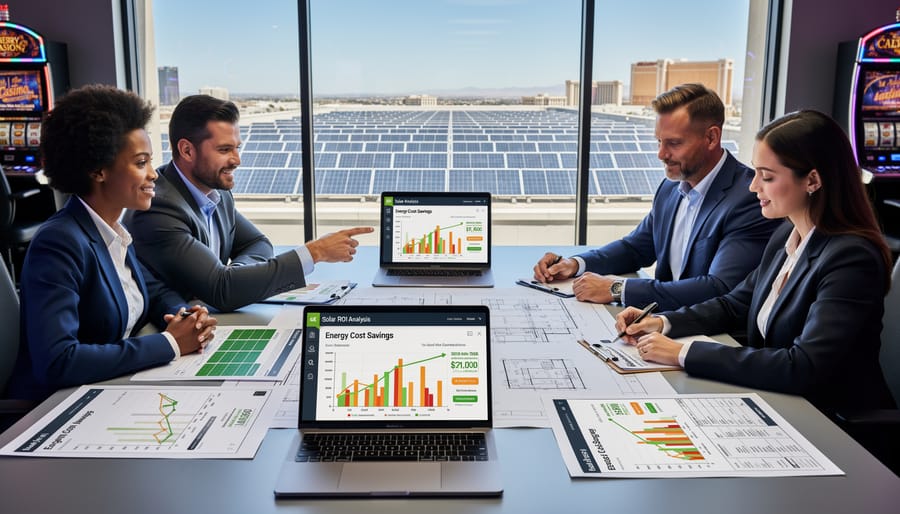
Solar power represents more than just an energy alternative for live casino providers—it’s a strategic investment that delivers measurable competitive advantages. By transitioning to solar, you’re positioning your operation to benefit from dramatically reduced energy costs, often cutting electricity expenses by 50-75% within the first year. These savings directly improve your bottom line while protecting your business from the unpredictability of rising utility rates.
Beyond the financial gains, solar energy enhances your brand reputation in an increasingly eco-conscious marketplace. Players and partners alike are drawn to businesses that demonstrate genuine environmental responsibility. Your commitment to clean energy becomes a powerful marketing asset, differentiating your casino from competitors still relying entirely on conventional power sources.
The implementation process is more accessible than many operators initially believe. As we’ve explored through real success stories and expert insights, today’s solar technology is proven, scalable, and designed to integrate seamlessly with your existing infrastructure. Government incentives and flexible financing options further reduce barriers to entry, making solar adoption achievable for operations of various sizes.
Taking the first step toward energy independence doesn’t require you to revolutionize your entire operation overnight. Start by requesting a customized energy assessment to understand your facility’s specific solar potential. Armed with accurate data and professional guidance, you can make an informed decision that aligns with both your financial goals and sustainability values. The technology is ready, the financial case is compelling, and the environmental impact is undeniable—now is the time to power your live casino’s future with confidence.